
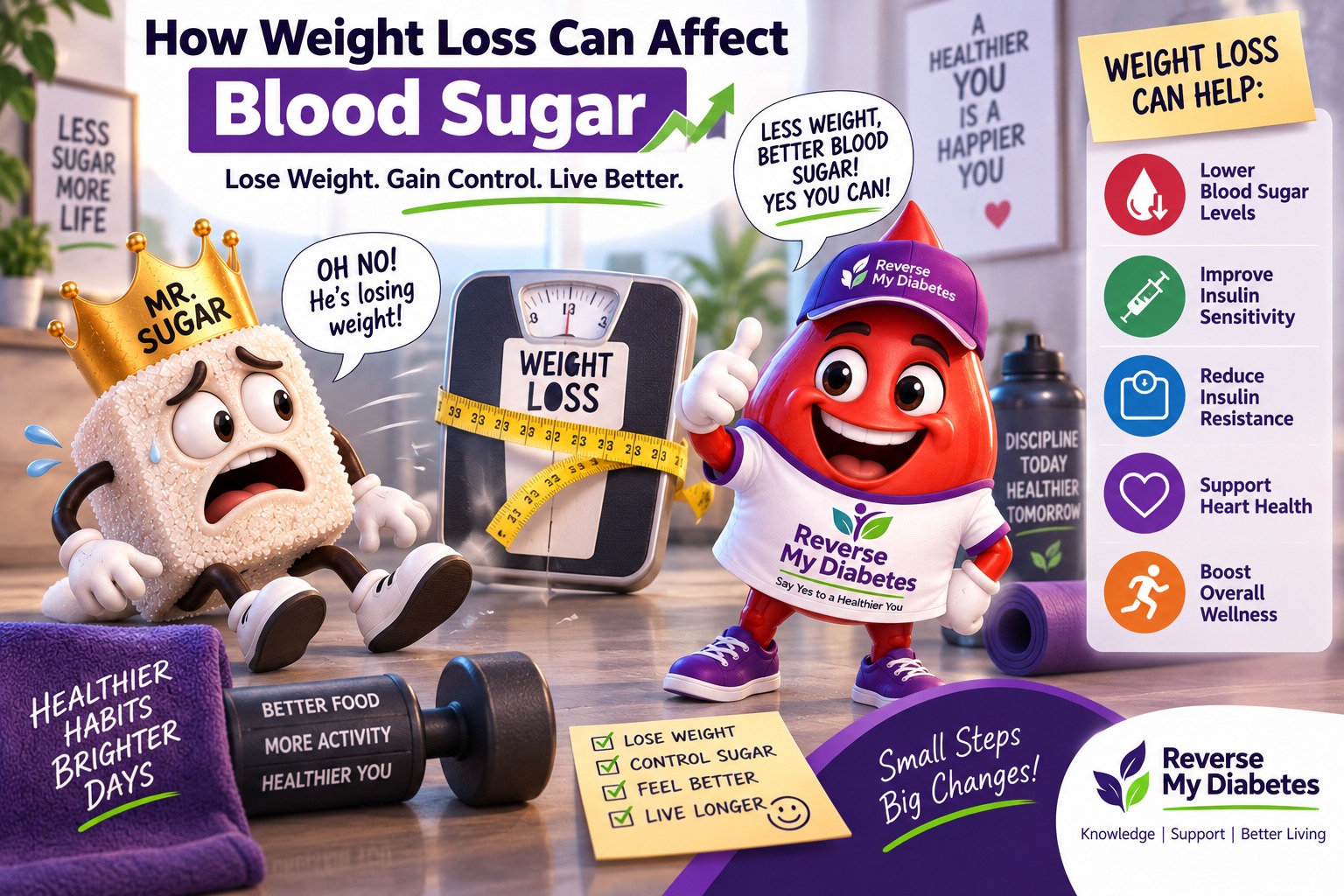
If you’ve spent any time researching type 2 diabetes, you’ve probably run into the same advice again and again: lose weight, and your blood sugar will improve. It’s repeated so often that it can start to sound like a slogan rather than something backed by real evidence. So it’s worth asking directly — how exactly are weight loss and blood sugar connected, and how much weight loss actually makes a difference?
The relationship between weight loss and blood sugar is real, well-documented, and in many cases, more significant than people expect. But it’s also more nuanced than “just lose weight,” and understanding the actual mechanism makes it far easier to approach in a sustainable way.
The Real Connection Between Weight Loss and Blood Sugar
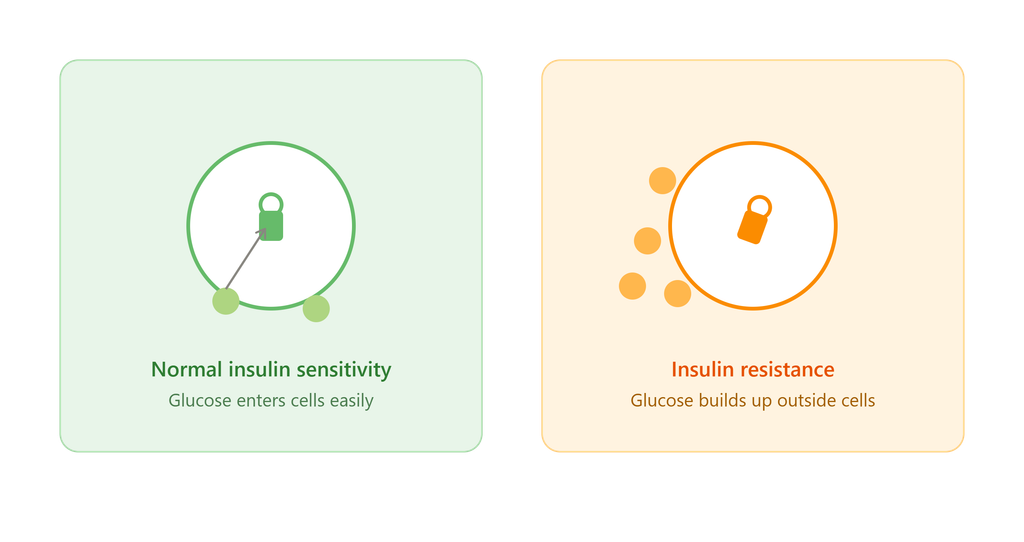
Excess body fat, particularly around the abdomen, contributes directly to insulin resistance — a condition where cells stop responding effectively to insulin, forcing the pancreas to produce more of it just to keep blood sugar in a normal range. Over time, this extra demand can wear down insulin production, which is a major driver of type 2 diabetes.
Weight loss and blood sugar are connected precisely because reducing excess fat, especially around internal organs, improves how effectively the body’s cells respond to insulin. Less resistance means the body needs less insulin to manage the same amount of glucose, which translates directly into more stable blood sugar levels.
Why Visceral Fat Matters More Than the Number on the Scale
Not all body fat affects weight loss and blood sugar equally. Visceral fat — the fat stored deep around abdominal organs like the liver and pancreas — has a much stronger relationship with insulin resistance than fat stored elsewhere in the body.
This is part of why two people with a similar total weight can have very different blood sugar profiles. Someone carrying more visceral fat, even at a moderate overall weight, may show more insulin resistance than someone with a higher total weight but less abdominal fat. This is also why waist circumference is sometimes used alongside weight as a more meaningful indicator of metabolic risk.
How Much Weight Loss Actually Moves Blood Sugar?
This is often the most encouraging part of the weight loss and blood sugar relationship: the improvement doesn’t require dramatic transformation to be meaningful. Research consistently shows that losing just 5–7% of total body weight can lead to measurable improvements in blood sugar control and insulin sensitivity.
For someone weighing 200 pounds, that’s roughly 10–14 pounds — a realistic, achievable target rather than an extreme goal. Some studies on more substantial weight loss (15% or more of body weight) have even shown type 2 diabetes remission in a meaningful portion of participants, particularly when weight loss happens relatively early in the course of the disease.

What Happens to Blood Sugar During Weight Loss Itself
It’s worth knowing that blood sugar can behave somewhat unpredictably during active weight loss, not just after reaching a goal. Reduced calorie intake can sometimes cause blood sugar to dip lower than usual, particularly for people on certain diabetes medications — which is one reason medication doses are often reviewed and adjusted by a doctor during a weight loss program, rather than left unchanged.
On the flip side, crash diets or extremely low-calorie approaches can sometimes trigger stress responses that temporarily raise blood sugar, which is part of why gradual, sustainable weight loss tends to produce steadier, more reliable blood sugar improvements than rapid, extreme approaches.
How to Approach Weight Loss for Blood Sugar Benefits
Because the goal here is stable, long-term blood sugar improvement — not just a lower number on the scale — the approach matters as much as the outcome:
- Aim for gradual, sustainable weight loss — roughly 1–2 pounds per week is generally considered sustainable and less likely to disrupt blood sugar sharply
- Prioritize whole foods over restrictive extremes — fiber, lean protein, and healthy fats support both weight loss and blood sugar stability simultaneously
- Include regular movement, not just for calorie burn but because exercise independently improves insulin sensitivity, separate from weight loss itself
- Monitor blood sugar more closely during active weight loss, especially if on insulin or other glucose-lowering medication, since dosage needs can change as weight drops
- Focus on waist circumference, not just total weight, since visceral fat reduction is what drives much of the blood sugar benefit
Conclusion
The relationship between weight loss and blood sugar isn’t just a repeated talking point — it’s a well-documented, evidence-based connection rooted in how excess fat, particularly visceral fat, affects insulin sensitivity. The genuinely encouraging part is that meaningful blood sugar improvement doesn’t require an extreme transformation; modest, sustainable weight loss in the range of 5–7% of body weight has a real, measurable effect for many people.
If you’re looking for practical, sustainable guidance on the diet side of this, you can find it here: Reverse My Diabetes.