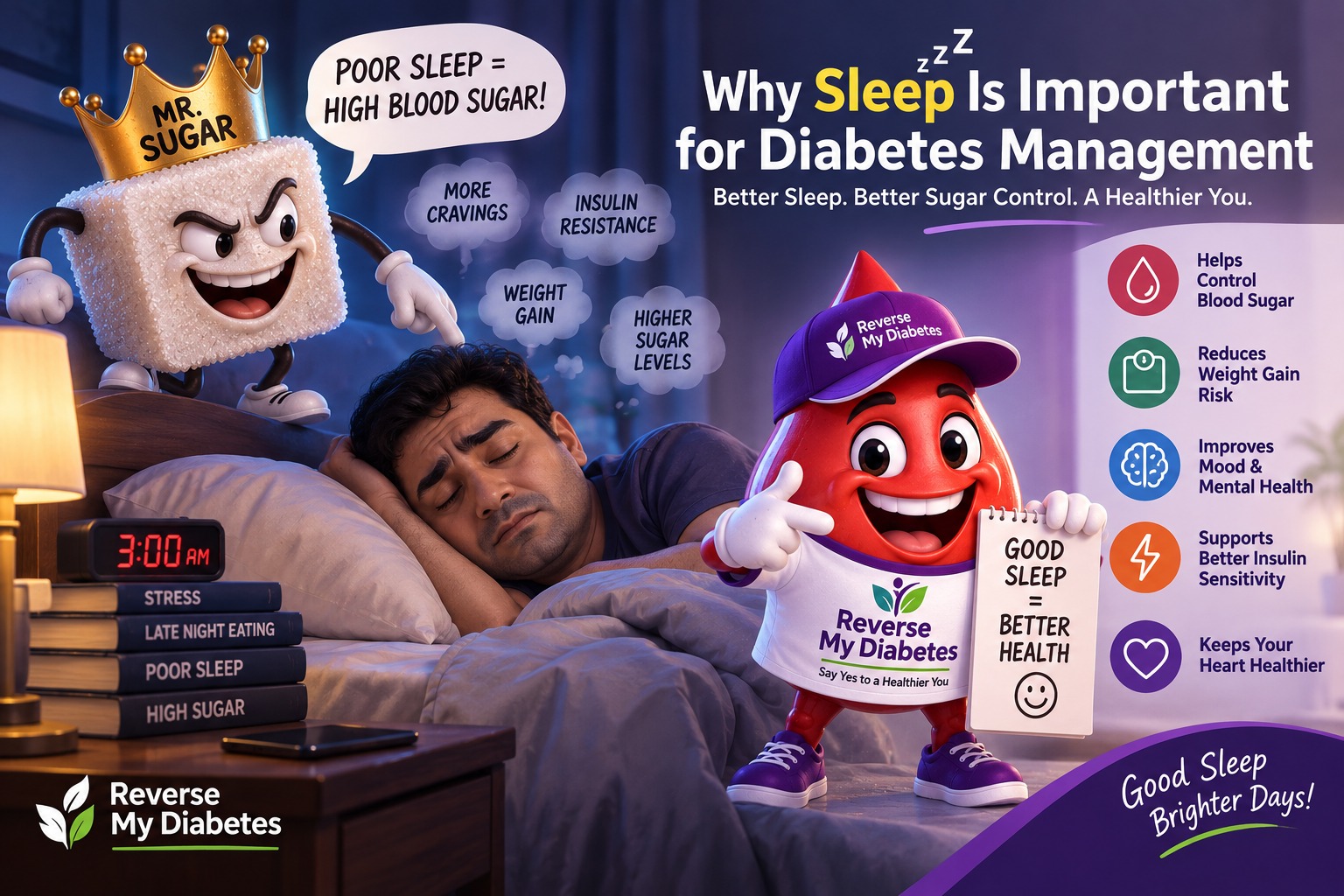
Most conversations about diabetes management circle around the same two topics: what you eat, and how much you move. Sleep rarely gets mentioned in the same breath, which is a little strange given how much research now shows it belongs there. A single poorly slept night can measurably raise insulin resistance the next day — a fact that surprises a lot of people who’ve spent years focused entirely on food.
If diet and exercise have felt like they’re not quite adding up to the results you’d expect, sleep is worth a genuinely honest look.
How Sleep Affects Blood Sugar Directly
Sleep isn’t just downtime for the brain — it’s an active period where the body regulates hormones, repairs tissue, and processes glucose. Even a single night of shortened or poor-quality sleep has been shown to reduce insulin sensitivity the following day, meaning the body needs more insulin to process the same amount of glucose.
Over time, chronic sleep deprivation compounds this effect, contributing to sustained insulin resistance — one of the core mechanisms behind type 2 diabetes. This means sleep isn’t a soft, secondary factor sitting alongside diet and exercise; it’s operating on the same biological pathway.
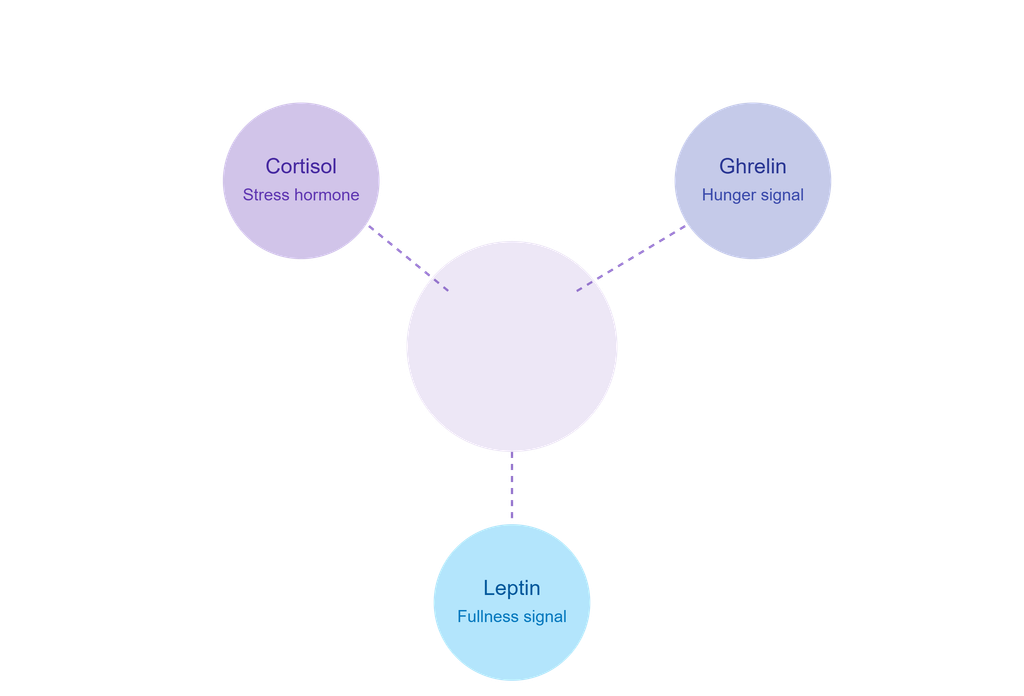
The Hormone Connection: Cortisol, Ghrelin, and Leptin
Poor sleep disrupts several hormones that directly affect blood sugar and appetite:
- Cortisol, the body’s primary stress hormone, tends to rise with sleep deprivation, and elevated cortisol is linked to higher blood sugar levels.
- Ghrelin, the hormone that signals hunger, increases with insufficient sleep — which is part of why poor sleep is so strongly linked to overeating and cravings, particularly for high-carbohydrate, high-sugar foods.
- Leptin, the hormone that signals fullness, decreases with poor sleep, meaning the body’s natural “stop eating” signal becomes less reliable.
Put together, a bad night of sleep doesn’t just affect how you feel — it shifts your hormones in a direction that makes both blood sugar control and food choices genuinely harder the next day, independent of willpower.
Sleep Apnea and Type 2 Diabetes
Sleep apnea — a condition where breathing repeatedly stops and starts during sleep — is significantly more common in people with type 2 diabetes, and the relationship appears to run in both directions. Sleep apnea disrupts the deep, restorative stages of sleep and causes repeated drops in oxygen levels, both of which are linked to worsened insulin resistance.
Many people with sleep apnea don’t realize they have it — the most noticeable signs (loud snoring, gasping during sleep) are often reported by a partner rather than experienced consciously by the person affected. If you wake up tired despite a full night in bed, or a partner has mentioned snoring or breathing pauses, it’s worth raising with a doctor. Sleep apnea is treatable, and treating it has been shown to improve blood sugar control in people with type 2 diabetes.
How Much Sleep Actually Matters
Most adults need somewhere between 7 and 9 hours of sleep per night for optimal metabolic function, though individual needs vary somewhat. Research has consistently linked both short sleep duration (under 6 hours) and, interestingly, excessively long or highly disrupted sleep with worse blood sugar control.
Quality matters alongside quantity. Fragmented sleep — waking up frequently through the night, even if total hours seem adequate — can produce similar negative effects to simply not sleeping enough, since it disrupts the deeper sleep stages where much of the body’s metabolic regulation happens.
Practical Ways to Improve Sleep
- Keep a consistent sleep and wake time, even on weekends — irregular schedules disrupt the body’s internal clock more than people realize
- Limit screens for 30–60 minutes before bed — blue light exposure can delay natural melatonin release
- Watch evening caffeine and alcohol intake — both can fragment sleep even if they don’t prevent falling asleep initially
- Keep the bedroom cool, dark, and quiet — environmental factors have a real, measurable effect on sleep quality
- Get natural light exposure during the day, especially in the morning — this helps regulate the body’s sleep-wake cycle
- Address snoring or gasping during sleep with a doctor rather than assuming it’s harmless
How quickly does poor sleep affect blood sugar?
Research shows measurable effects on insulin sensitivity after even a single night of shortened sleep, though the more significant, sustained effects come from chronic, ongoing sleep deprivation.
Is it bad to sleep too much? Some research links unusually long sleep duration with worse metabolic outcomes too, though this relationship is less clear-cut than the effects of insufficient sleep, and may partly reflect other underlying health issues rather than long sleep itself causing harm.
Should I get tested for sleep apnea if I have type 2 diabetes? If you experience loud snoring, gasping during sleep, or persistent daytime fatigue despite adequate time in bed, it’s worth discussing with a doctor, given how common and treatable sleep apnea is among people with type 2 diabetes.
Can poor sleep cause diabetes on its own? Poor sleep alone isn’t considered a direct cause of diabetes, but chronic sleep deprivation is a well-documented contributing factor to insulin resistance, which is a core mechanism behind type 2 diabetes.
How quickly does poor sleep affect blood sugar? Research shows measurable effects on insulin sensitivity after even a single night of shortened sleep, though the more significant, sustained effects come from chronic, ongoing sleep deprivation.
Conclusion
Sleep is easy to treat as optional when life gets busy, but the evidence is clear that it functions as a genuine pillar of blood sugar management — not a soft add-on to diet and exercise. The encouraging part is that sleep is also one of the more directly controllable factors, often responding well to consistent, practical changes rather than requiring dramatic lifestyle overhaul.
If you’re working on the broader diet and lifestyle side of blood sugar management, you can find practical guidance here: Reverse My Diabetes.