

Diabetes & Men’s Sexual Health: 5 Effects You Shouldn’t Ignore

This isn’t an easy topic to bring up, even with a doctor, let alone search for online at 1am when you can’t stop thinking about it. If you’re here because something’s changed — and you’re not sure if it’s “just stress” or something more — I want to say this clearly upfront: you’re not overreacting, and you’re not alone.
Diabetes doesn’t just affect blood sugar readings on a monitor. Over time, it can affect blood vessels, nerves, and hormones — and for men, that can show up in sexual health in ways that feel confusing, embarrassing, or frightening to talk about. This isn’t rare. It’s common, it’s documented, and — this is the part that matters most — much of it is manageable once you understand what’s actually happening.
Here are five ways diabetes can affect men’s sexual health, explained plainly.
1. Erectile Dysfunction (ED)
This is the most common and most researched connection between diabetes and men’s sexual health. High blood sugar over time can damage the blood vessels and nerves responsible for achieving and maintaining an erection. Men with diabetes are significantly more likely to experience ED, often earlier in life than men without diabetes.
Here’s what’s easy to miss: ED caused by diabetes isn’t a “confidence problem” or something to just push through. It’s a physical, vascular issue — which also means it can sometimes be an early warning sign of broader cardiovascular problems, since the blood vessels affected are often sare often small versions of the same ones connected to heart health.
2. Lower Testosterone Levels
Type 2 diabetes is strongly associated with lower testosterone levels, and the relationship tends to run in both directions — low testosterone can worsen insulin resistance, and insulin resistance can lower testosterone further. It’s a cycle, not a coincidence.
Lower testosterone can affect libido, energy levels, mood, and muscle mass — all things that are easy to write off as “just getting older” when really, they may be connected to blood sugar control.
3. Reduced Sensation and Nerve Damage
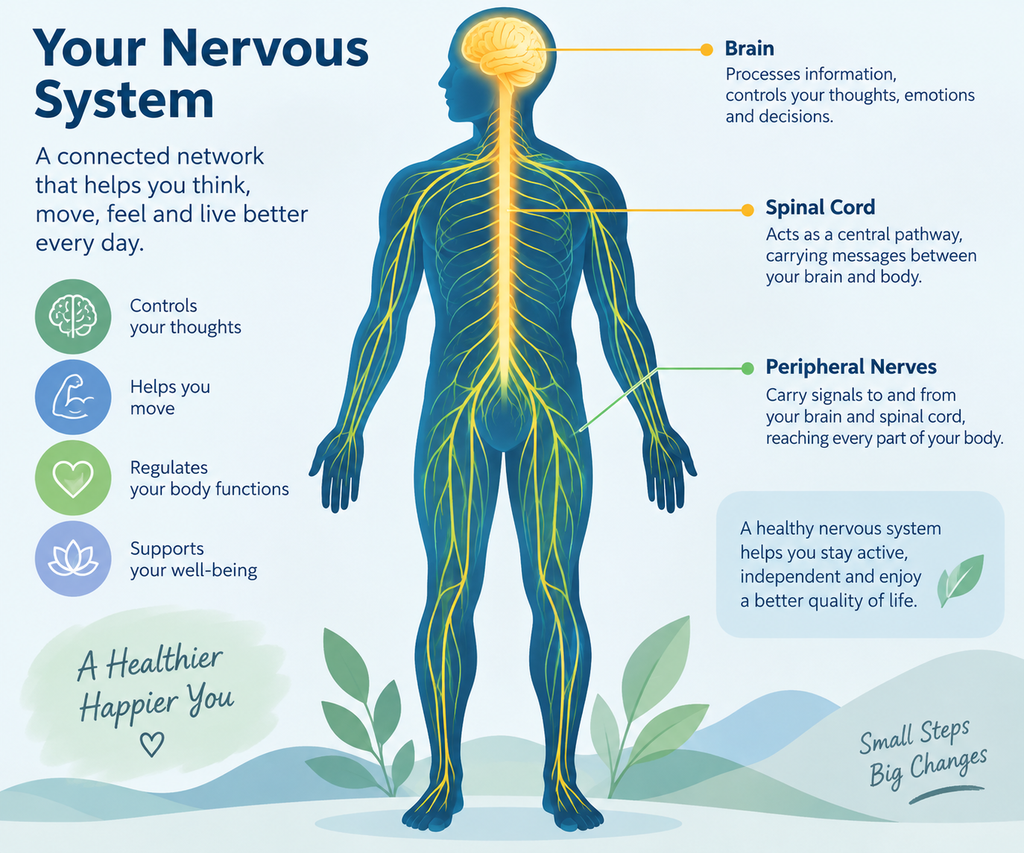
Diabetic neuropathy — nerve damage caused by prolonged high blood sugar — doesn’t only affect the feet and hands. It can also reduce sensation in the genital area, making arousal and sexual response more difficult, even when desire is present.
This one is often the hardest to talk about, because it can feel like something is “wrong” with you personally, when really, it’s a physiological effect of blood sugar on nerve tissue over time — the same mechanism affecting sensation elsewhere in the body.

4. Premature Ejaculation
This is a lesser-known effect where semen enters the bladder instead of exiting the body during ejaculation, caused by nerve damage affecting the muscles that normally direct that process. It’s not dangerous, but it can affect fertility and can be distressing if you don’t know why it’s happening.
5. Fertility Challenges
Beyond retrograde ejaculation, diabetes has been linked to reduced sperm quality and motility in some men, likely connected to the same blood vessel and hormonal changes described above. For men trying to conceive, this is worth raising directly with a doctor rather than assuming it’s unrelated to diabetes.
Why This Matters More Than It Might Feel Like Right Now
It’s tempting to file all of this under “embarrassing” and avoid dealing with it. But here’s the honest truth: these aren’t separate, unrelated problems — they’re often connected signals that blood sugar has been running high for a while, and they can be early indicators worth acting on, not just symptoms to quietly live with.
The reassuring part is that many men see real improvement in these areas when blood sugar becomes better managed over time. This isn’t guaranteed or instant, but it is a genuinely documented pattern — better blood sugar control is linked to improvement in erectile function, energy, and hormone levels for many men.
Where to Go From Here
If any of this sounds familiar, the most useful next step isn’t panic — it’s information and a conversation with a doctor who won’t blink at the question. Sexual health is genuinely part of overall health, not a separate, shameful category, and diabetes-related changes here are common enough that doctors are used to discussing them directly.
If you’re working on blood sugar management as a starting point, you can find practical, no-medication-required guidance here: Reverse My Diabetes.